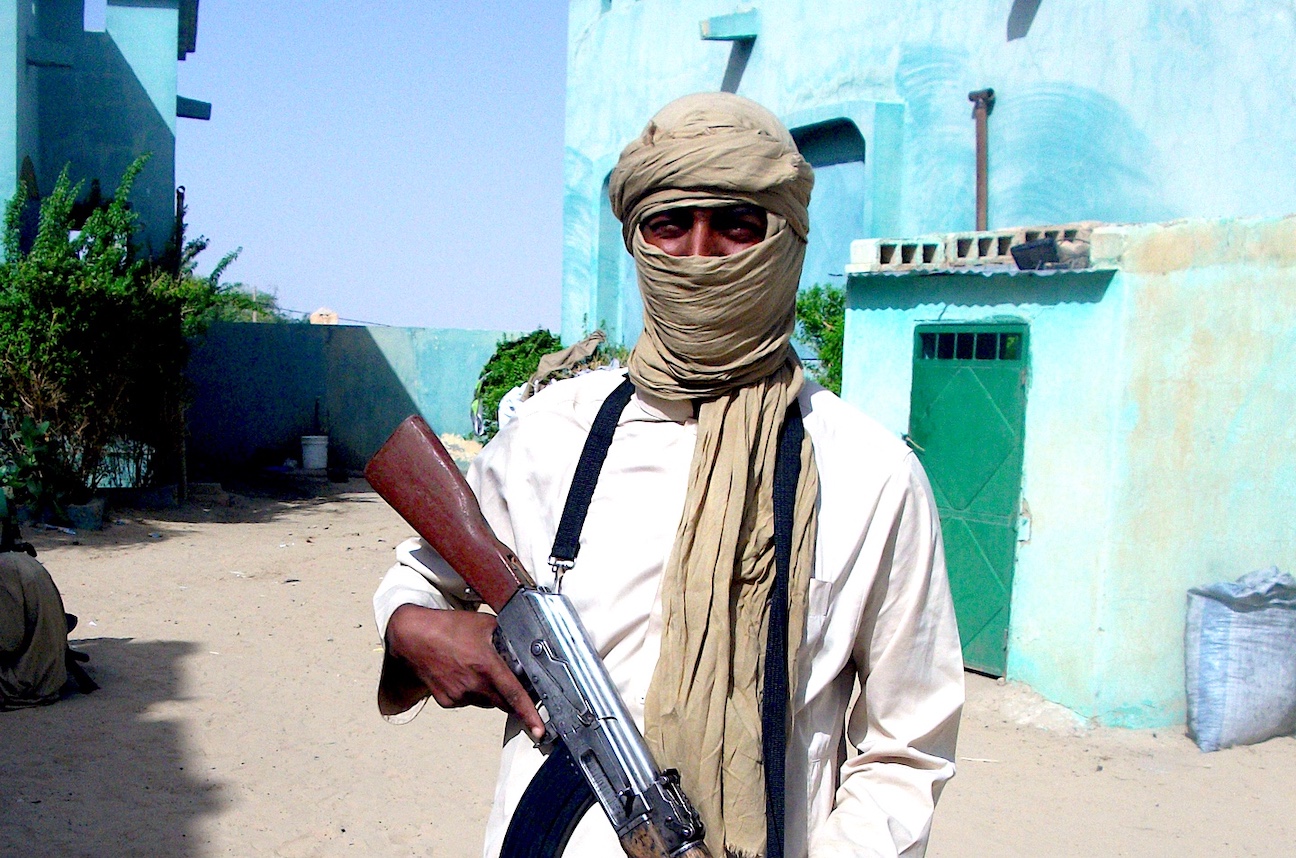
Al Qaeda’s West Africa affiliate is edging toward a historic first: control of a national capital.
Militants from Jama’at Nusrat al-Islam wal-Muslimin (JNIM) have tightened a monthslong blockade of Bamako, choking off fuel and food in a strategy European security officials describe as a creeping takeover rather than an all-out assault, according to The Wall Street Journal.
Security specialists who spoke to the news outlet say JNIM is likely to wait before attempting any decisive move on the city, but the pressure is mounting. Insurgents have blocked deliveries into the capital, triggering acute shortages that are constraining the army’s ability to respond, local and European officials told the Journal.
“The longer the blockade drags on, the closer Bamako comes to collapse,” Raphael Parens, a fellow at the Foreign Policy Research Institute in Philadelphia, told WSJ.
Formed in 2017 from veteran al Qaeda factions, JNIM pledged allegiance to al Qaeda’s central leadership and, according to Western and African officials, has received assistance in bomb-making and ideological training from the organization’s core in the Afghanistan-Pakistan region.
The group’s approach draws on what it views as successful models elsewhere. JNIM has said it aims to emulate the Taliban’s entry into Kabul after the government melted away, and a July U.N. report cited by the Journal says the group sees the December seizure of Damascus by a former al Qaeda affiliate as a “blueprint.”
The United States has begun drawing down some embassy staff and has urged American citizens to leave immediately, according to the Journal.
Former U.S. counterterrorism official Rudolph Atallah visited Mali in July to offer assistance but did not comment to the paper. Erik Prince, the American defense contractor, is in contact with the junta about potential support, people familiar with the outreach told the newspaper.
JNIM’s advances form part of a broader fundamentalist insurgency across the Sahel. Al Qaeda and Islamic State elements are fighting in Niger and Burkina Faso and pushing toward the coastal states of Benin, Ivory Coast, Togo and Ghana. Western officials cited by the Journal are increasingly concerned that al Qaeda could secure de facto control of either Burkina Faso or Mali, with the latter “looking increasingly like it could fall first” given the squeeze on the capital.
Read more at The Wall Street Journal