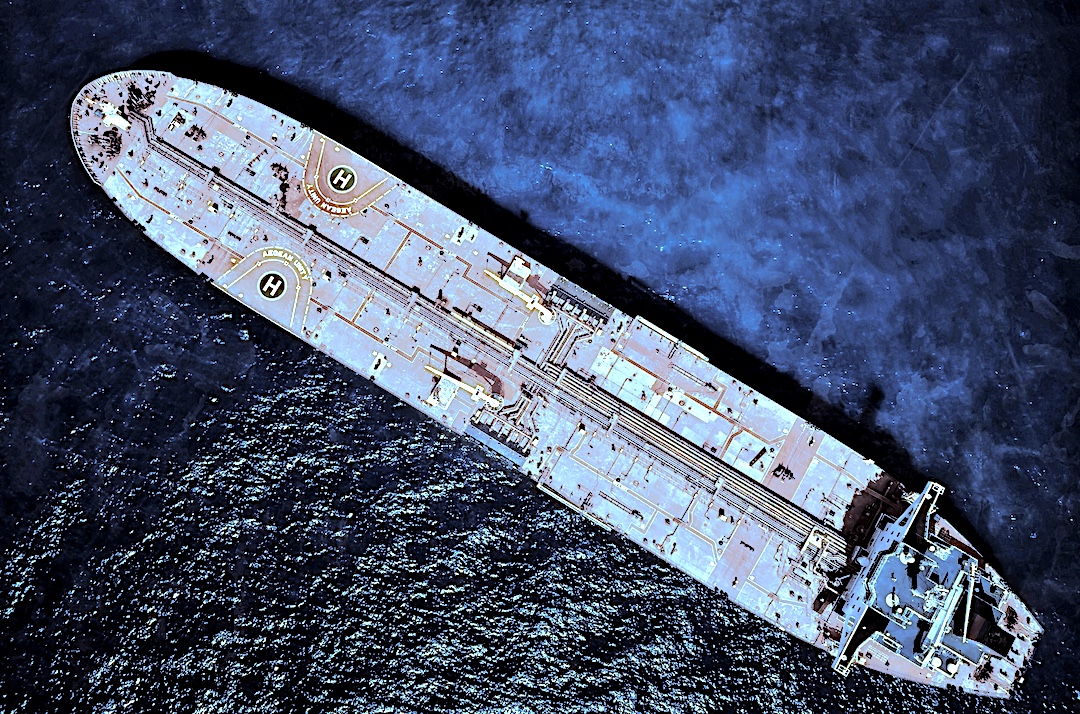
A New Zealand–based marine insurer played a pivotal role in keeping a fleet of tankers carrying Iranian and Russian oil moving to Asian markets despite Western sanctions, according to a Reuters investigation that has prompted scrutiny from authorities in Wellington.
According to the report, Maritime Mutual, a family-run firm headed by 75-year-old Briton Paul Rankin, has at various points provided protection-and-indemnity cover to a significant share of the so-called “shadow fleet” of tankers that obscure banned sales of oil through falsified records, location spoofing, and flags of convenience.
The news agency’s review of thousands of shipping and insurance records, hundreds of oil trades and sanctions designations, and interviews with more than two dozen people concluded that Maritime Mutual has insured nearly one in six shadow-fleet tankers later sanctioned by the United States, European Union or United Kingdom.
Insurance is essential for port entry, even in Iran and Russia, making such coverage a critical enabler of sanctioned trades, industry specialists told Reuters.
In partnership with British, Australian, and U.S. authorities, New Zealand’s financial-crime police searched Maritime Mutual’s offices in Auckland and Christchurch on Oct. 16, seizing documents as part of a probe into potential sanctions violations and anti-money laundering and counterterrorism financing failings. No charges have been filed, Reuters said.
Maritime Mutual “categorically denies” breaching sanctions and says it operates under rigorous compliance standards, according to statements provided to the news outlet. The company said coverage is automatically cancelled when a vessel becomes sanctioned and that it requires attestations to ensure compliance with the G7 price cap on Russian oil.
Quantifying the trade, Reuters said it compiled a list of 231 tankers insured by Maritime Mutual since 2018. The Centre for Research on Energy and Clean Air calculated that ships insured by the firm transported at least $18.2 billion of Iranian oil and energy products and $16.7 billion of Russian energy products after sanctions came into force.
By July 31, Western governments had sanctioned 621 shadow-fleet tankers. The news agency linked 97 of those to Maritime Mutual at some point, including 48 that carried the insurer’s cover on the day they were blacklisted.
New Zealand authorities, including the central bank, are now examining whether Maritime Mutual enabled sanctions violations, failed to mitigate terrorism-financing risks or misrepresented its regulatory status in the country, Reuters, citing an individual with direct knowledge of the matter.
Read more at Reuters