European lawmakers will push for wildlife trafficking to be recognized as organized crime by 2030 and for tougher global enforcement at next month’s United Nations meeting on endangered species, Euronews reported.
In a mandate adopted Wednesday, Members of the European Parliament (MEPs) backed measures to expand data collection, roll out digital traceability systems, and step up enforcement against illegal wildlife trade, which they said is increasingly shifting online, the news outlet said.
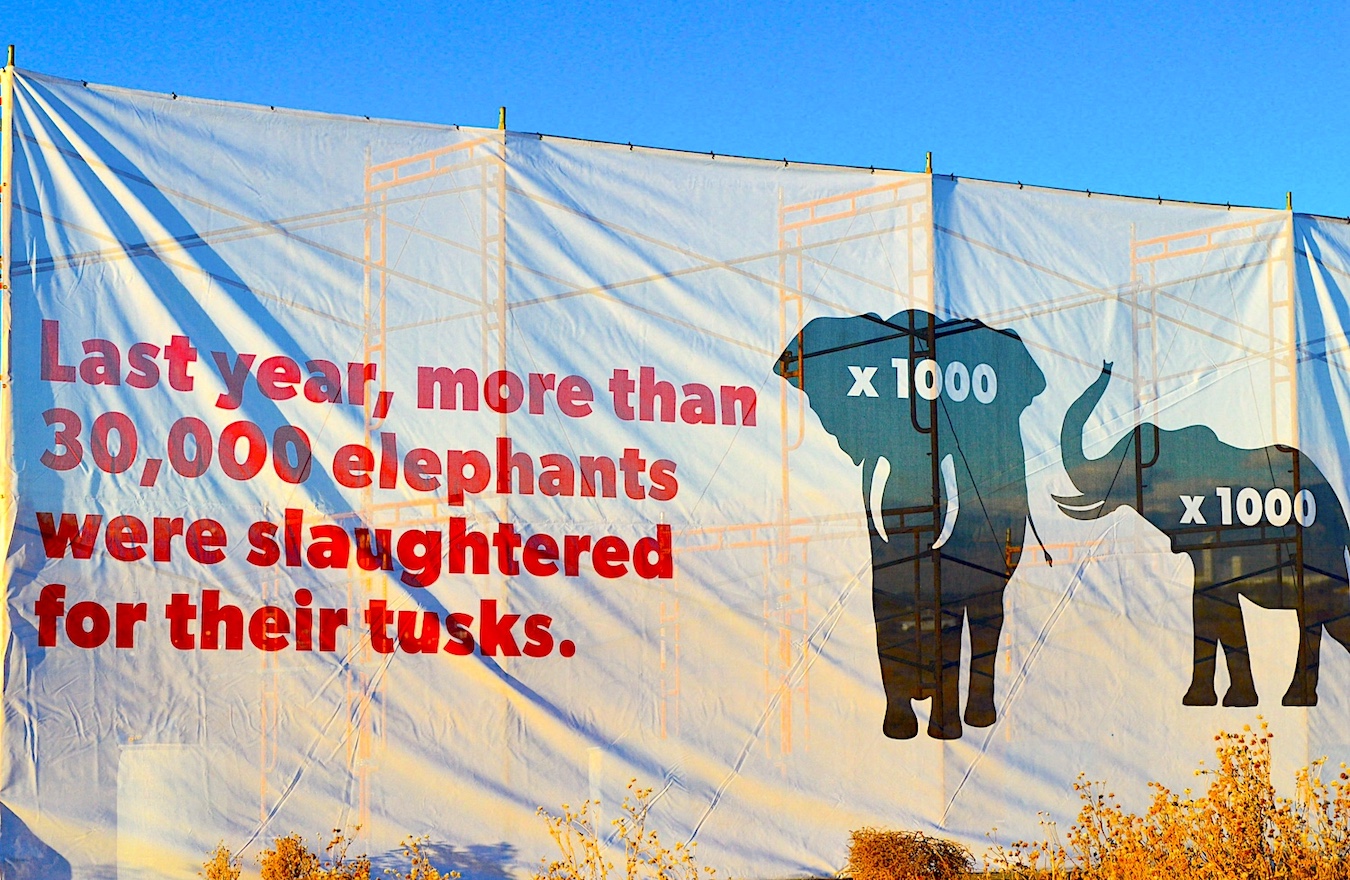
The text cites concerns over China’s transparency on pangolin stockpiles and calls for heightened protections for shark and ray species, as well as a legally binding EU instrument to end ivory trafficking.
“We’ve seen an increased demand for protected banned species, especially through online trade,” said Esther Herranz-García (Spain/EPP) during the plenary debate. “We need greater digitalization and better traceability… together with border control as well as coercive measures in case of illegal activity.”
Current provisions to curb trafficking under the UN framework are “inadequate,” the mandate argues, urging all countries to tighten implementation.
EU Environment Commissioner Jessika Roswall said the Samarkand gathering of the Convention on International Trade in Endangered Species of Wild Fauna and Flora (CITES) will be a chance to “strengthen the fight against wildlife trafficking” and “reinforce multilateral cooperation,” according to Euronews.
Conservation groups welcomed the move, the news agency said. The International Fund for Animal Welfare (IFAW) urged the European Commission and member states to adopt Parliament’s position as the EU’s common negotiating line, noting the bloc’s role as a hub and destination for wildlife trafficked from the Americas, Africa, Eastern Europe, Asia, and Oceania.
Read more at Euronews