Major U.S. chipmakers Intel, Advanced Micro Devices and Texas Instruments, along with a Warren Buffett–owned electronics distributor, are facing a series of lawsuits accusing them of failing to prevent their semiconductors from ending up in Russian missiles and drones used to attack civilians in Ukraine, according to Bloomberg.
The five civil suits, filed Wednesday in Texas state court, allege that the companies showed “willful ignorance” as third parties illegally diverted their components to Russia and Iran in violation of U.S. sanctions. The plaintiffs are dozens of Ukrainian civilians injured in or bereaved by strikes between 2023 and 2025, Bloomberg said.
The lawsuits, brought by mass-tort lawyer Mikal Watts and Baker & Hostetler, focus on five specific attacks that killed dozens of people.
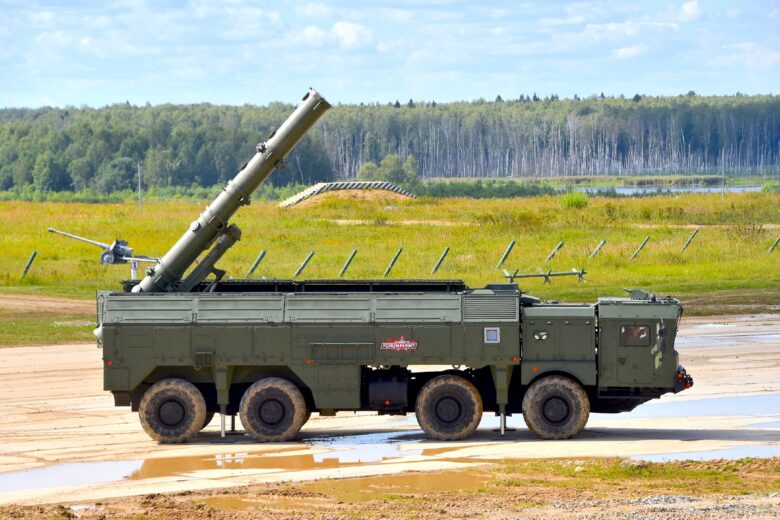
One strike allegedly involved Iranian-made drones containing components associated with Intel and AMD. The other attacks cited in the complaints involved Russian KH-101 cruise missiles and Iskander ballistic missiles, the news outlet said.
“These companies know their chip technology is making its way into Russia,” Watts said in remarks cited by the news agency.
One complaint charges the companies with “domestic corporate negligence,” arguing that their export-control and diversion-prevention systems were so lax that it was foreseeable their chips would be rerouted into Russian and Iranian weapons.
The suits say the companies allowed “semiconductor components to be illegally diverted, including by foreseeable third parties, to Russia and Iran and incorporated into precision-guided munitions and drones deployed against civilians,” according to Bloomberg.
The complaints also target Mouser Electronics, a Mansfield, Texas–based distributor owned by Warren Buffett’s Berkshire Hathaway, acquired in 2007 via its purchase of parent company TTI Inc.
According to one suit, Mouser’s business model centers on selling and distributing semiconductor components made by companies such as Intel and Texas Instruments. It accuses Mouser of facilitating the transfer of chips to shell companies allegedly controlled by Russian proxies, who then moved the components into the Russian and Iranian defense supply chain.
Mouser’s “decisions and logistics operations were a substantial domestic component of the misconduct that foreseeably contributed to Plaintiffs’ injuries abroad,” the filing states.
The U.S. government has repeatedly warned chipmakers that they must do more to block diversion of their products, Bloomberg said. Democratic Senator Richard Blumenthal said last year the companies are “objectively and consciously failing to prevent Russia from benefiting from the use of their technology,” according to the report.
Bloomberg noted that its own investigation last year found long-standing sanctions and export controls have failed to keep chips from Intel, AMD, Texas Instruments and others out of Russian military systems. Those resold components serve as the “brains” of drones, glide bombs, precision communications gear and Iskander missiles used to strike Ukrainian cities.
Read more at Bloomberg