The United States imposed expansive new sanctions Wednesday on Russia’s two largest oil companies, Lukoil and Rosneft, escalating U.S. economic pressure as negotiations to end the war in Ukraine falter.
The measures cover the parent companies and nearly three dozen subsidiaries, severing them from much of the U.S. financial system and threatening penalties for foreign firms that continue to do business with them.
U.S. Treasury Secretary Scott Bessent framed the action as a signal of diminishing U.S. patience with the Kremlin, in a statement announcing the designations.
“Now is the time to stop the killing and for an immediate cease-fire,” he wrote, warning Treasury is “prepared to take further action if necessary” and urging allies to “join us in and adhere to these sanctions.”
As part of the announcement, the Treasury Department underscored its capacity to strengthen its leverage against Moscow, including through measures aimed at banks that facilitate payments for the Russian federation.
Foreign financial institutions that “conduct or facilitate significant transactions or provide any service involving Russia’s military-industrial base” or which engage in transactions with the newly blacklisted entities “may risk the imposition of secondary sanctions,” the department said in the statement.
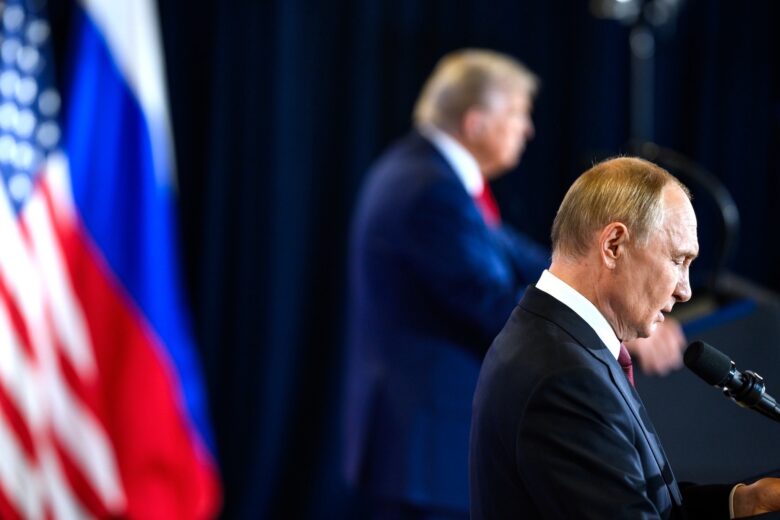
The decision comes as Trump has delayed a planned second summit with Russian President Vladimir Putin in Budapest and as talks toward a settlement have stalled. Officials said the sanctions are intended to increase the cost to Moscow of prolonging the conflict, now nearing its fourth year, The Wall Street Journal reported.
Trump’s approach to economic coercion against Russia has fluctuated in recent months. He has raised tariffs on countries that buy Russian energy, including India, and sanctioned Serbia’s main oil supplier, which is majority-owned by a Russian state energy company, the Journal said.
Sanctions experts told WSJ that the U.S. action could bite if paired with rigorous enforcement and coordinated secondary sanctions on key facilitators.
Targeting large energy firms and the financing that enables them to move oil “would have an impact,” Edward Fishman, a former senior State Department sanctions official, told the newspaper, noting potential exposure for Chinese banks, Indian refineries and Gulf-based traders.
Read more at The Wall Street Journal
Read more from the U.S. Treasury Department