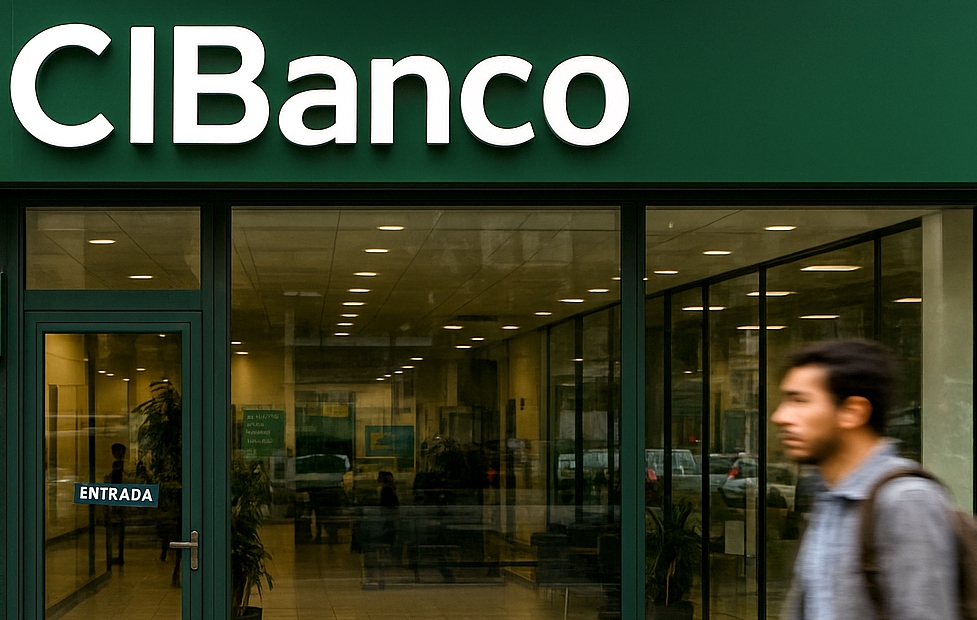
An unprecedented U.S. Treasury order cutting three Mexican financial institutions off from the American financial system took effect Monday, after already forcing asset sales, client flight and heightened compliance across Mexico’s banking sector, Bloomberg reported.
The three designated firms—CIBanco SA, Intercam Banco SA and Vector Casa de Bolsa SA—have been broken up and sold for parts, with clients, including significant foreign-exchange business, moving to other lenders and brokerages. Among the knock-on deals, Kapital Bank is acquiring a significant portion of Intercam’s operations, while Vector has transferred some assets and clients to Casa de Bolsa Finamex SAB, according to Bloomberg.
CIBanco has been among the most affected because of its trustee franchise. Earlier this month, its banking license was revoked.
Mexican President Claudia Sheinbaum said last week the U.S. had not provided convincing evidence linking the firms to drug trafficking, and that Mexican regulators found administrative faults but “nothing to do with money laundering.”
The action stems from a U.S. push to block alleged laundering of drug-trafficking proceeds tied to the fentanyl crisis. Announced in June, the ban is the first use of powers granted to the Treasury’s Financial Crimes Enforcement Network under last year’s Fend Off Fentanyl Act.
The ripple effects extend well beyond the three firms. Lenders have purged clients, strengthened internal controls and increased communication with Mexican and U.S. regulators to avoid becoming future targets, the news agency said.
“This was a shot across the bow in terms of telling banks that Treasury has this tool and intends to use it,” said Craig Timm, a former U.S. Department of Justice lawyer and senior director at ACAMS. “You don’t want to be next, because as we’re seeing with these institutions, it’s an existential threat the moment it becomes public,” he told Bloomberg.
Read more at Bloomberg